What Are Sonotubes?
Sonotubes are cardboard tubes that you dig holes for, set in place, and fill with concrete. They're a traditional foundation method for deck posts, fence posts, and other structures. They're popular because they're inexpensive and straightforward — dig a hole below the frost line, plop in a sonotube, pour concrete, and wait for it to cure.
The challenge is that sonotubes require concrete curing (7–28 days depending on temperature), can't be installed in freezing weather, and are vulnerable to frost heave if they're not deep enough. They also leave no documented load verification — you're relying on the depth of the hole, not on actual soil testing.

Sonotube foundations can crack and deteriorate over time, especially in Ottawa's freeze-thaw cycles.
Side-by-Side Comparison
| Feature | Helical Piles | Sonotubes |
|---|---|---|
| Installation Time | Hours | Days (including cure time) |
| Frost Protection | Anchored below frost line | Must be dug below frost line (difficult) |
| Soil Conditions | Works in clay, rock, sand | Struggles in wet clay, soft soils |
| Load Testing | Torque-verified on install | No built-in verification |
| Weather | Install year-round | Cannot pour in freezing temps |
| Site Impact | Minimal — no excavation | Significant — holes, spoil piles |
| Removable | Yes — fully removable | No — permanent concrete |
| Engineering | Pile engineering reports included | Typically not engineered |
| Cost | Comparable or slightly higher | Lower upfront |
When to Choose Helical Piles
Go with helical piles if you need speed, reliability, or engineering documentation. If your project requires a permit and building inspector approval, helical piles are the safer choice because they come with torque records and can be stamped by a professional engineer. They're also ideal if you have challenging soil, need year-round installation, want minimal site disruption, or anticipate heavy loads.
When Sonotubes Might Work
Sonotubes are still a viable option for very small projects in ideal conditions — like a simple post in sandy soil on a sunny summer day with no permit requirements. If budget is the only concern and you're not worried about speed, depth verification, or engineering documentation, sonotubes might work. But for most residential projects in Ottawa, helical piles are the better choice.
Why This Matters for Deck Footings
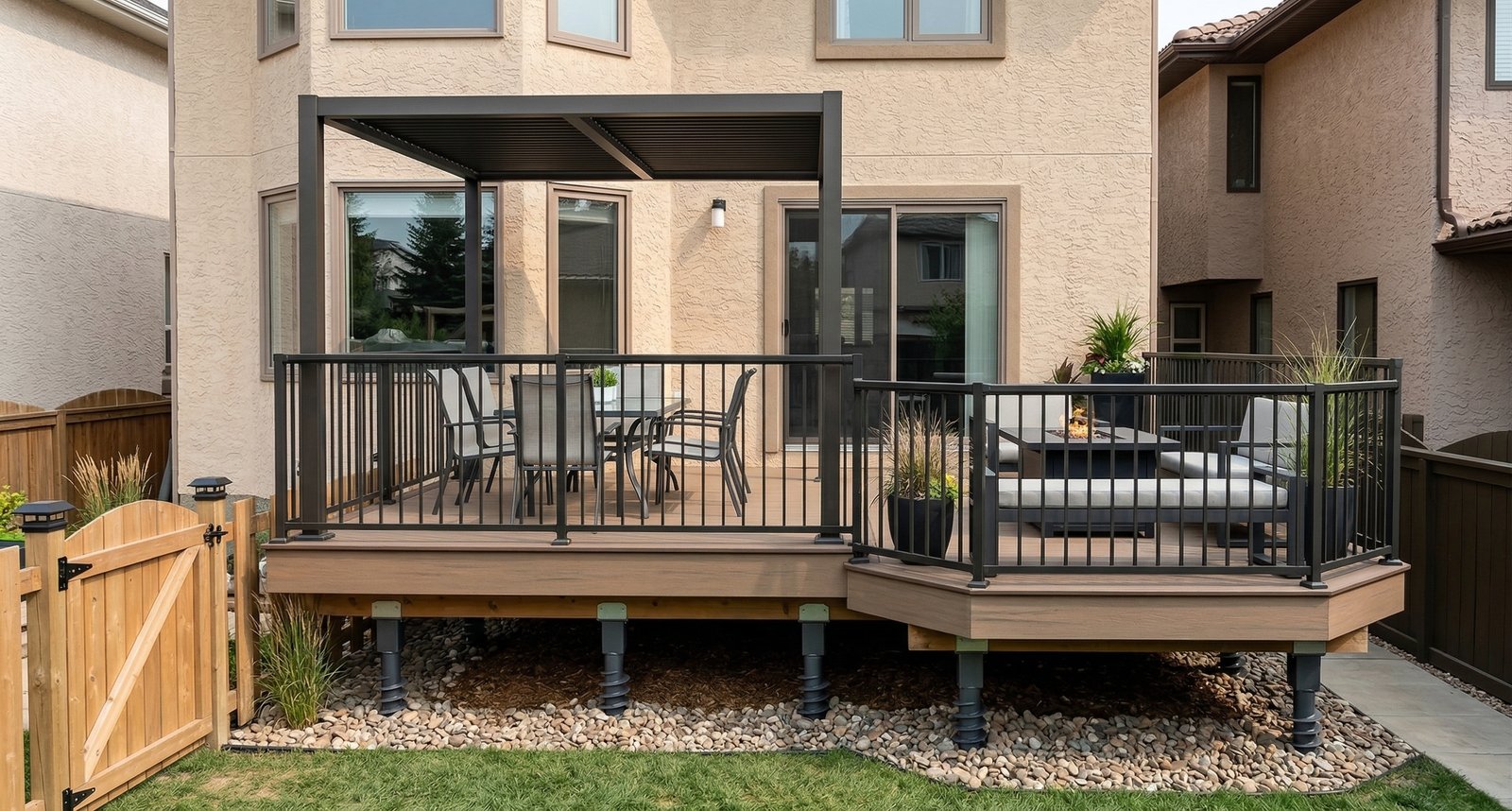
For deck builders and homeowners, the comparison really comes down to four things that helical piles solve and sonotubes can't:
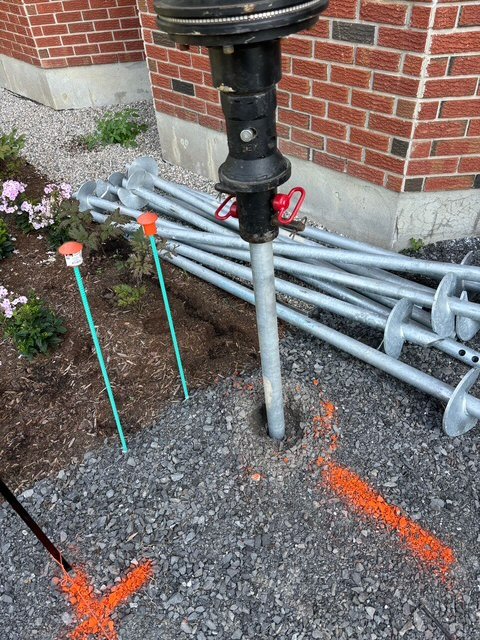
- No concrete. No mixing, no mess, no ordering trucks. Piles screw directly into the ground.
- No excavation. No digging holes, no spoil piles, no hauling soil away. Your yard stays intact.
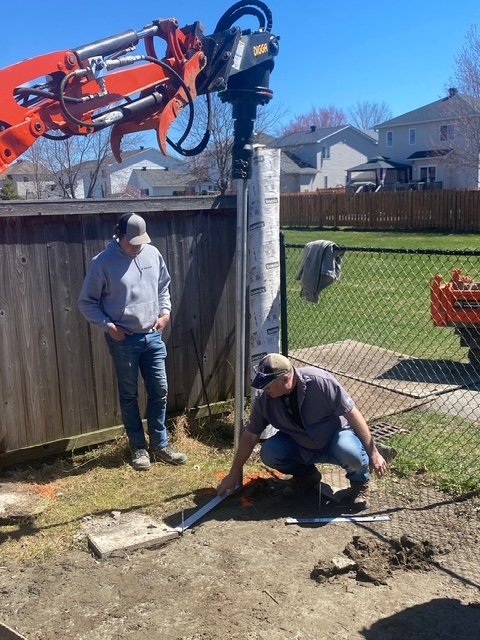
- No curing time. With sonotubes, you wait 7–28 days before building. With helical piles, your contractor can start framing the same day.
- Same-day build capability. Piles go in the morning, deck framing starts in the afternoon. That's a real time and money saver.
For Ottawa specifically, where Leda clay creates unpredictable soil conditions and frost lines can reach 4+ feet deep, helical piles give you verified load capacity that sonotubes simply can't match. Every pile is torque-tested during installation, so you know exactly what it can support — no guesswork.